Punjab
Punjab
Punjab is a state in northern India known for its fertile plains, rich cultural heritage, and pivotal role in India’s agricultural economy. The state is often called the “Granary of India” due to its high grain production, especially wheat and rice. It also holds deep historical and religious significance as the birthplace of Sikhism.
Key facts
-
Capital: Chandigarh (shared with Haryana)
-
Area: ~50,362 sq km
-
Population: ~30 million (2021 est.)
-
Official language: Punjabi
-
Established: 1 November 1966
Geography and economy
Situated in the northwestern part of India, Punjab borders Pakistan, Jammu and Kashmir, Himachal Pradesh, and Haryana. The region’s alluvial soil, irrigated by the Beas, Ravi, and Sutlej rivers, supports intensive farming. Agriculture dominates the economy, with dairy, textiles, and agro-based industries playing secondary roles.
Culture and society
Punjab’s culture is characterized by vibrant music, dance, and cuisine. Folk forms like Bhangra and Giddha express community life and seasonal celebrations. Punjabi cuisine, featuring dishes such as sarson da saag and makki di roti, is widely popular across India and abroad.
Religion and heritage
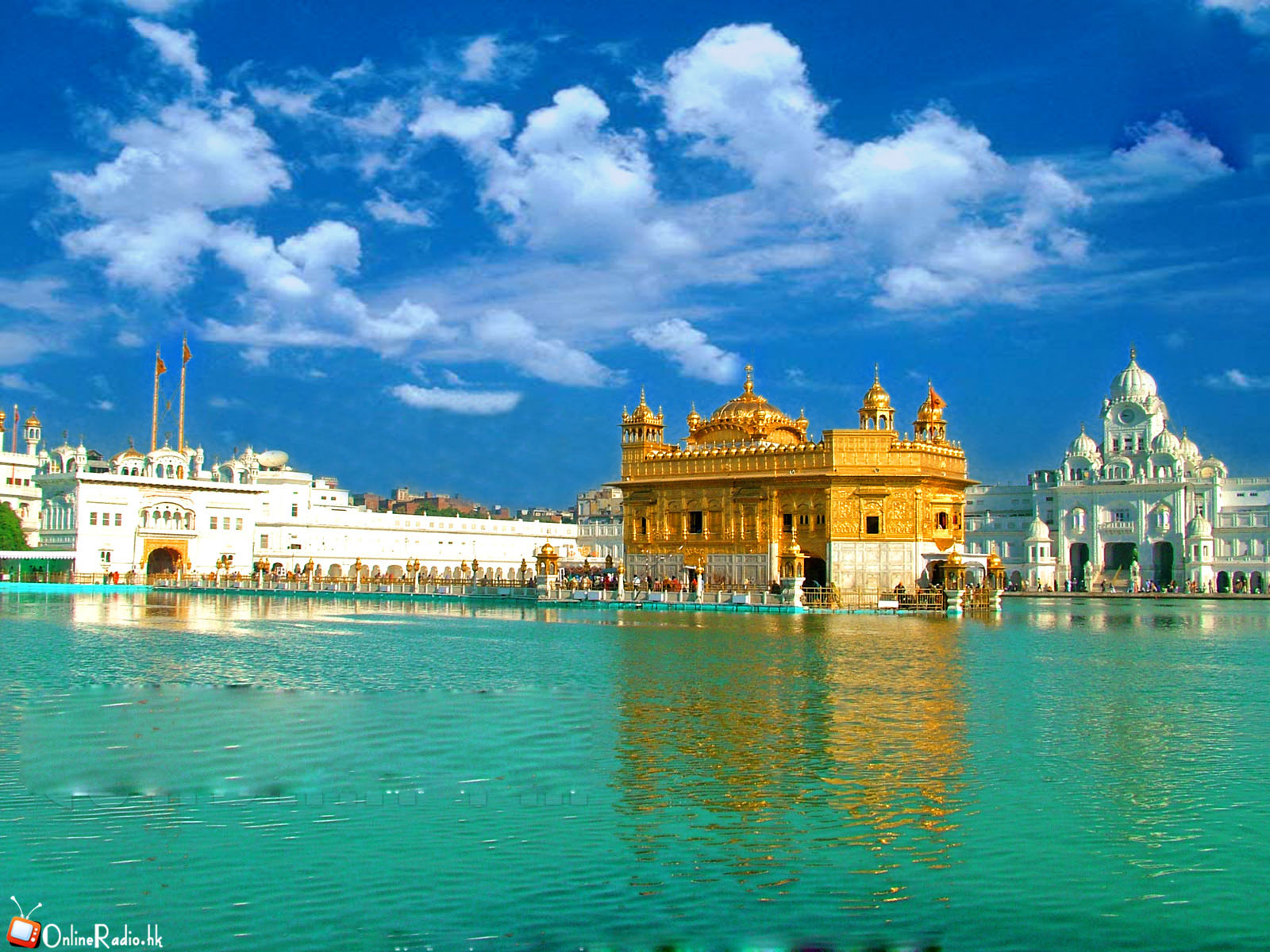
The state is the spiritual center of Sikhism, housing the Golden Temple in Amritsar, the faith’s holiest shrine. Punjab’s history includes key events from the Indian independence movement and the 1947 partition, which reshaped its demographics and borders.
Governance and modern development
Punjab operates under a parliamentary democracy, with a Legislative Assembly and Chief Minister. It remains among India’s more prosperous states but faces challenges in groundwater depletion, urbanization, and industrial diversification. The state also plays a strategic role in India’s border security and trade with Pakistan.